
Pressure Systems Safety Regulations: Ensuring Workplace Safety and Compliance
When it comes to managing workplace safety in environments involving pressure systems, the stakes are incredibly high. Pressure Systems Safety Regulations (PSSR) stand as a beacon of safety and operational standards in such high-risk settings.
Picture a bustling industrial facility where pressure systems are integral to daily operations. Without stringent regulations, the risk of accidents could skyrocket, leading to disastrous consequences.
This article delves into the critical importance of PSSR, guiding you through their key aspects and highlighting why compliance is not just a legal obligation but a moral imperative for workplace safety.

What You Will Learn
-
Understanding Pressure Systems Safety Regulations
-
The Importance of Compliance
-
Key Components of the Regulations
-
Implementing Safety Measures
-
Navigating Challenges in Compliance
Understanding PSSR
At the core of industrial safety, PSSR govern the use of equipment operating at pressure above atmospheric levels.
These regulations are designed to prevent serious injury from the hazard of stored energy, as a result of the failure of a pressure system or one of its component parts.
PSSR covers a wide range of systems including boilers, steam heating, and compressed air systems, among others. The objective is clear: to ensure that pressure systems are constructed and maintained safely throughout their life cycle.

The Importance of Compliance
Compliance with PSSR is not just about ticking a box in a checklist. It’s about safeguarding lives and upholding the integrity of our workplaces.
Non-compliance can lead to catastrophic failures, resulting in injuries, fatalities, and significant legal and financial repercussions. On the flip side, adherence to these regulations not only enhances safety but also boosts operational efficiency and reliability.
A poignant example is the incident at XYZ Corporation (a fictitious case for illustrative purposes), where overlooking pressure system maintenance led to a costly operational shutdown and legal penalties.
Key Components of the Regulations
Diving into the specifics, the Pressure Systems Safety Regulations mandate several key requirements.
They include undertaking regular inspections and maintenance, ensuring systems are equipped with suitable protective devices, and maintaining detailed records of system operations.
These regulations emphasise the shared responsibility between employers, who must ensure the safety of the systems, and employees, who must use them properly. Regular audits and checks are mandated to ensure ongoing compliance and safety.
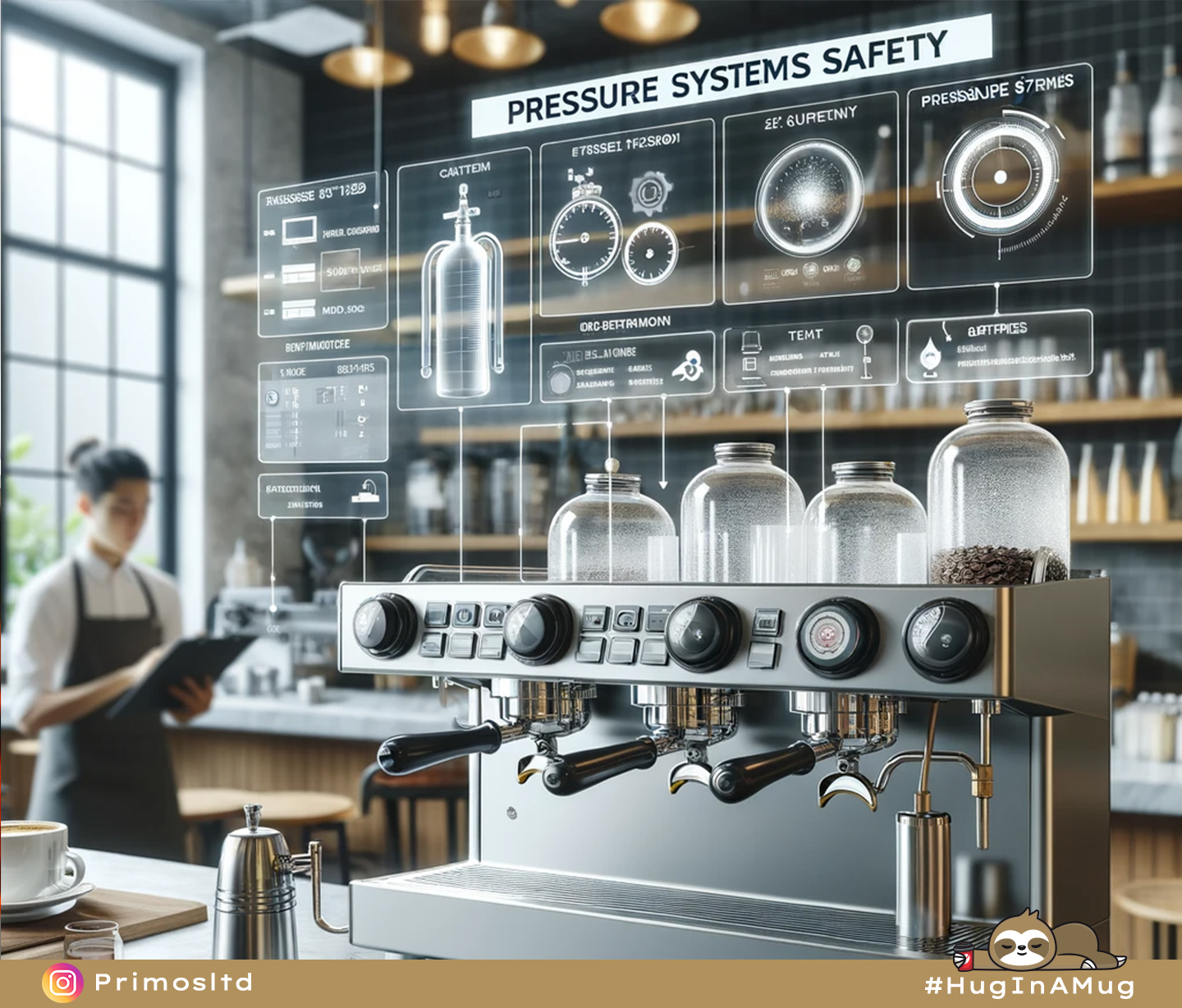
Implementing Safety Measures
But how can businesses practically adhere to these regulations? First, it involves a thorough understanding of the regulations and identifying applicable systems within the workplace.
Regular training programs for staff and the implementation of a robust inspection and maintenance schedule are crucial. Additionally, developing an emergency response plan can significantly mitigate the risks associated with pressure system failures.
Navigating Challenges in Compliance
Compliance with PSSR can be challenging, particularly for smaller businesses or those with limited resources.
Common challenges include understanding the complex technicalities of the regulations and ensuring all systems are compliant.
Solutions include seeking expert advice, investing in employee training, and utilising available resources from regulatory bodies for guidance and support.

Fun Fact:
Did you know that the world’s largest pressure cooker was created in 2017 and measured a staggering 14.8 meters in length?
This culinary giant, made in India, was not just a marvel of size but also a testament to the principles of pressure system safety. While it was designed for cooking enormous quantities of food, its creation had to adhere to many of the same safety standards as industrial pressure systems.
This fun fact illustrates the diverse applications of pressure system principles, from industrial settings to giant kitchen gadgets!
Conclusion: Emphasising the Critical Role of Pressure Systems Safety Regulations
In conclusion, adhering to PSSR is a critical aspect of managing workplace safety in environments with pressure systems.
These regulations are not mere formalities; they are essential tools to prevent accidents and protect lives. By understanding and implementing these regulations, businesses can ensure not only compliance but also a safer, more efficient working environment.
Remember, safety is not just a protocol; it’s a priority.