Making Delicious Decaf Coffee at Home: Your Ultimate Guide
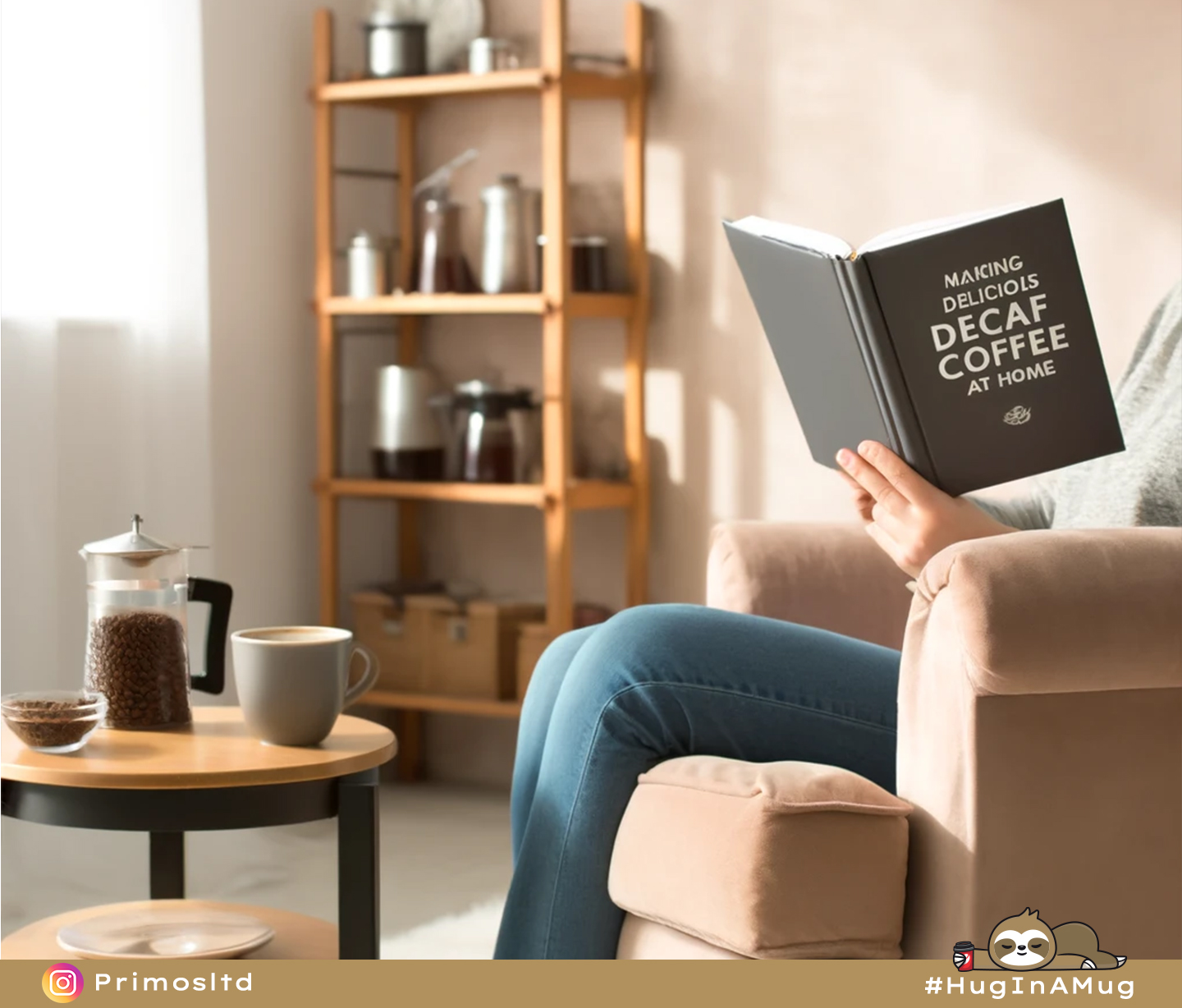
Welcome to the ultimate guide to Making Delicious Decaf Coffee at Home. If you’ve ever found yourself craving that perfect cup of decaf coffee but felt unsure about how to replicate your café favourites at home, you’re in the right place.
Whether you’re reducing your caffeine intake for health reasons, looking to enjoy a late-night cuppa without the sleepless nights, or simply love the taste of coffee without the buzz, this guide is for you.
Let’s embark on a journey to demystify the art of brewing delectable decaf coffee, ensuring every sip is as satisfying as the real deal.
Topics
-
The Misunderstood Bean: Embracing Decaf
-
Selecting Your Beans: The First Step to Greatness
-
The Perfect Grind: A Little Effort Goes a Long Way
-
Mastering the Brew: Techniques for Every Taste
-
Water Matters: The Unsung Hero
-
The Art of Tasting: Find Your Perfect Cup
-
Going Beyond the Brew: Creative Decaf Delights
-
Sustainability and Health: The Added Perks of Decaf
The Misunderstood Bean: Embracing Decaf
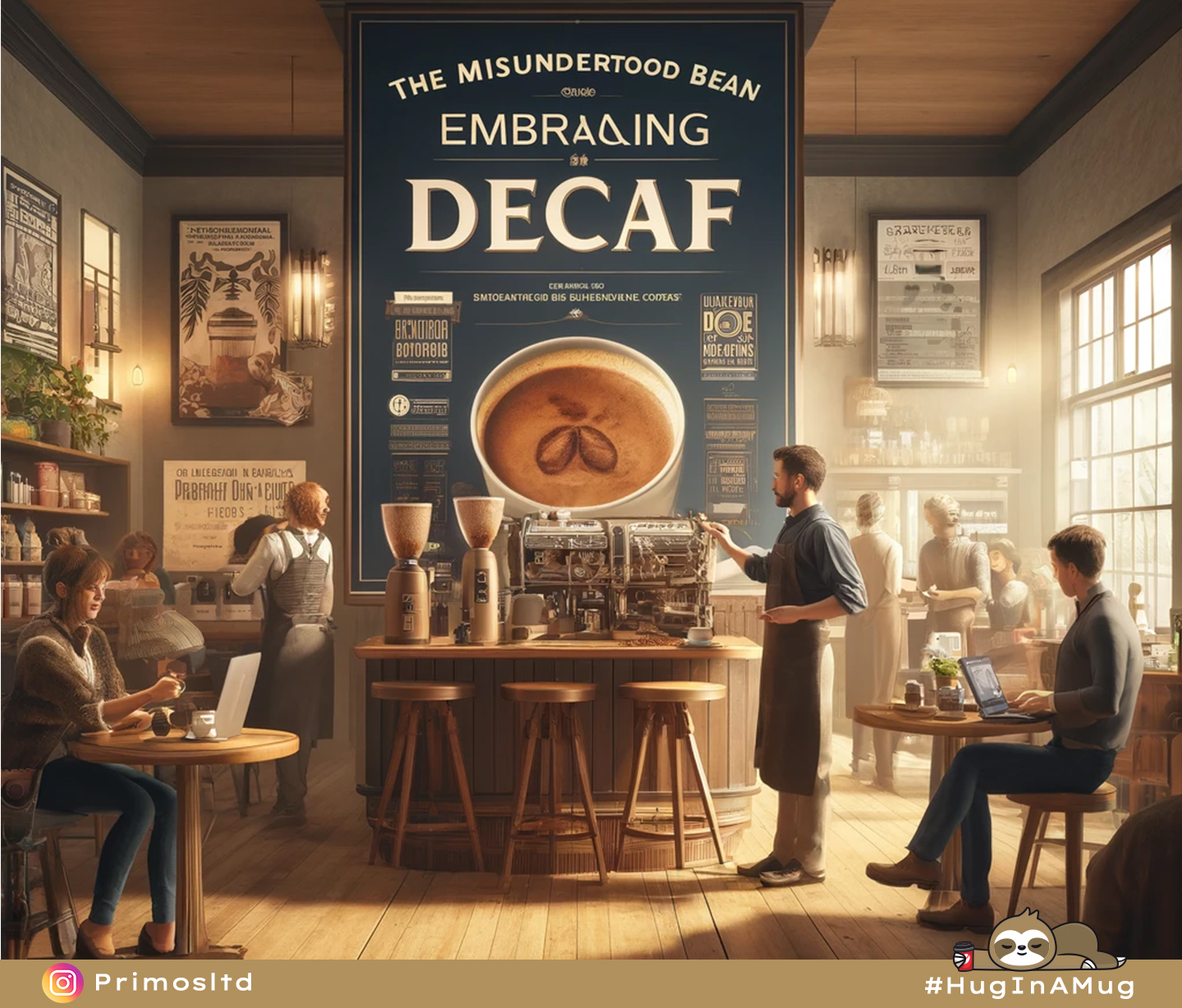
Decaf coffee often gets a bad rap. Some say it lacks flavour, or worse, that it’s not “real” coffee. But here’s the thing – decaf can be just as rich, robust, and rewarding as its caffeinated counterpart.
The key lies in selection and preparation. High-quality decaf beans, treated with the respect they deserve, can yield a cup that’s both comforting and complex.
Let’s put those decaf myths to rest, shall we?
Selecting Your Beans: The First Step to Greatness
The foundation of making delicious decaf coffee at home starts with selecting the right beans.
Opt for speciality-grade, single-origin decaf beans for a more nuanced flavour profile. Look for beans decaffeinated using the Swiss Water Process or Carbon Dioxide Process, which maintains the beans’ inherent flavours without the use of chemicals.
Remember, great coffee starts with great beans, and decaf is no exception.
The Art of Tasting: Find Your Perfect Cup
Tasting is an essential part of making delicious decaf coffee at home. Pay attention to the body, acidity, sweetness, and aftertaste. Adjust your grind size, brewing time, and water temperature based on your preferences.
Making great decaf coffee is a journey, not a destination. Embrace the experimentation process, and don’t be afraid to tweak your methods.
The Perfect Grind: A Little Effort Goes a Long Way
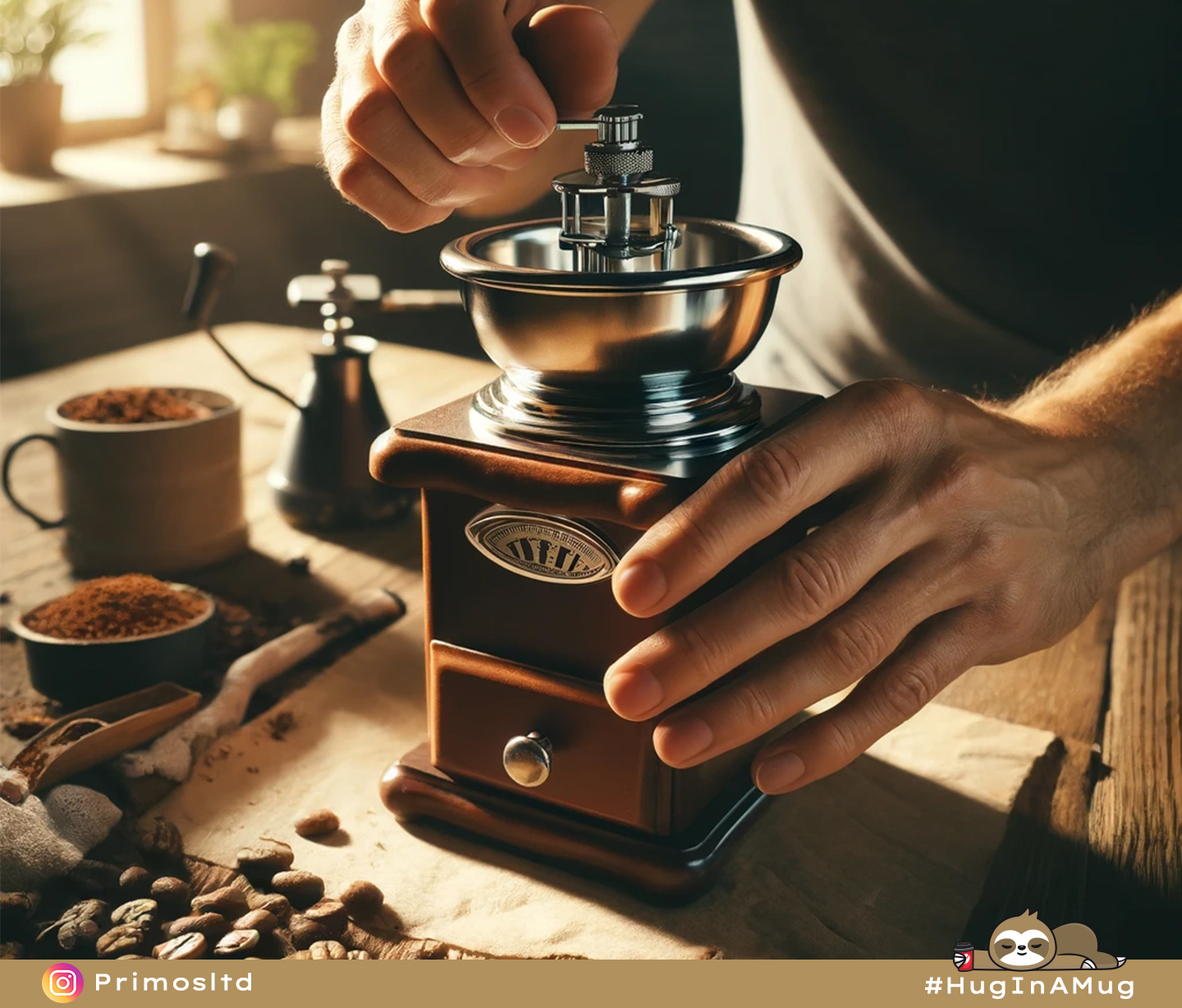
Grinding your beans just before brewing is a game-changer. For decaf beans, aim for a medium to fine-grind, depending on your brewing method.
This ensures maximum flavour extraction without overdoing it. A burr grinder is ideal for achieving a consistent grind size, crucial for that perfect cup.
Mastering the Brew: Techniques for Every Taste
Whether you’re a fan of the French press, can’t get enough of your espresso machine, or love the simplicity of a drip brew, there’s a way to make your decaf coffee shine. Here are some tips for each method:
– French Press:
Allow your decaf grounds to bloom by adding a little hot water before the full plunge. This pre-infusion step helps release the decaf’s flavours.
Going Beyond the Brew: Creative Decaf Delights
Once you’ve mastered the basics, why not get creative? Decaf coffee lends itself wonderfully to a variety of drinks.
Try a decaf cold brew for those hot summer days, or experiment with decaf espresso in your homemade lattes and cappuccinos.
The possibilities are as endless as they are delicious.
– Espresso:
Adjust your machine for a slightly longer extraction time. Decaf beans often require a more gentle touch to reveal their full character.
– Drip Brew:
Use a slightly higher coffee-to-water ratio than you would for regular coffee. This compensates for decaf’s tendency to yield a lighter body.
Sustainability and Health: The Added Perks of Decaf
Choosing decaf not only opens up a world of flavour possibilities but also comes with health and environmental benefits.
Decaf coffee allows you to enjoy coffee’s social and cultural aspects late into the night, without interfering with your sleep patterns.
Additionally, supporting decaf producers who use sustainable decaffeination methods contributes to a healthier planet.
Water Matters: The Unsung Hero
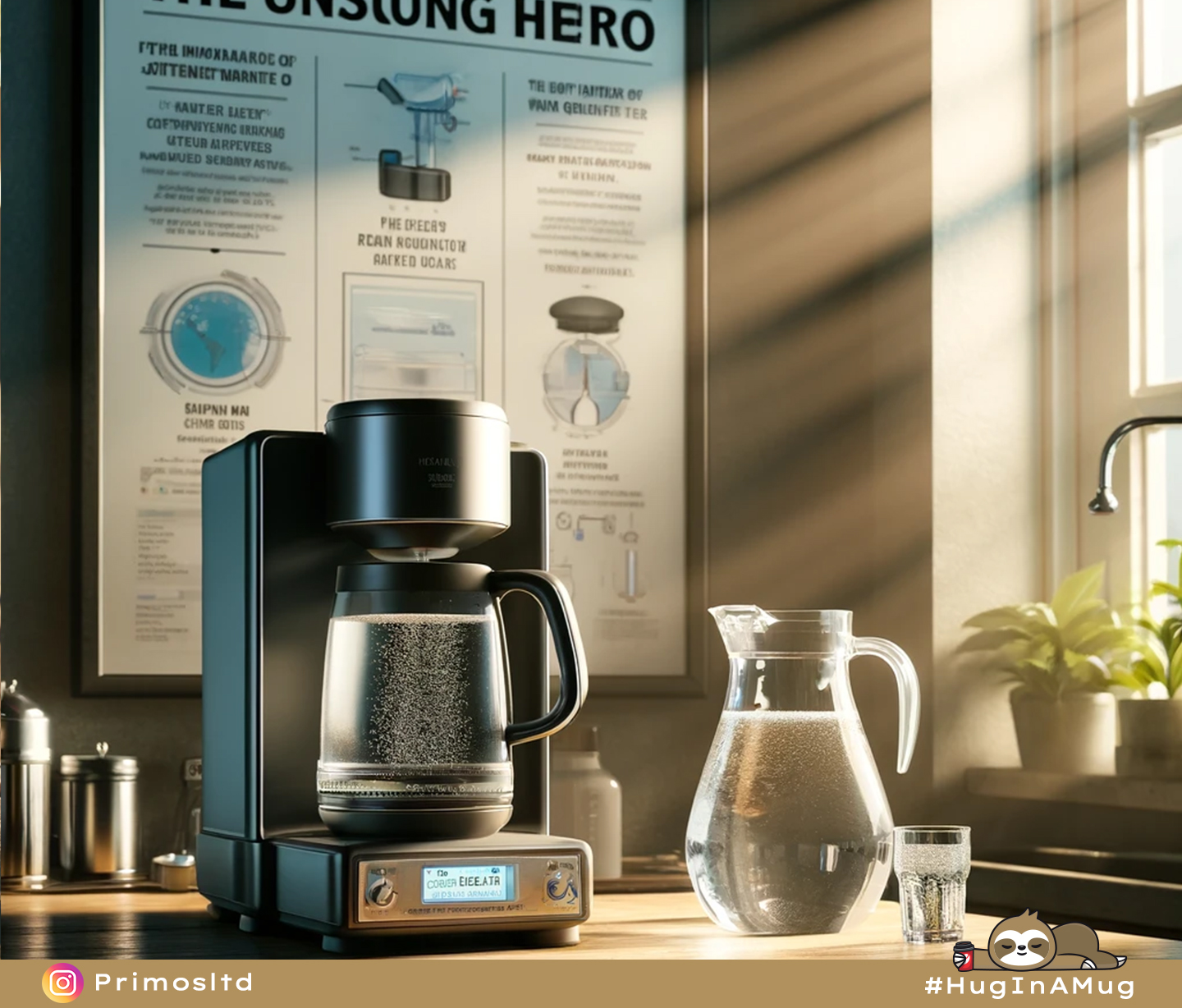
The water you use can make or break your decaf coffee. Aim for filtered water heated to about 195°F to 205°F. Too hot, and you risk bitterness.
Too cool, and your coffee will be under-extracted. If you don’t have a thermometer, bring the water to a boil and let it sit for about 30 seconds. It’ll be just about right.
“Decaf coffee is like a hug in a mug for those who seek warmth without the whirlwind.”
Frequently Asked Questions
Can decaf coffee ever taste as good as regular coffee?
Absolutely! The secret to a great-tasting decaf lies in the quality of the beans and the brewing process. With the right beans and techniques, decaf coffee can rival, and sometimes even surpass, the taste of regular coffee.
Focus on high-quality, specialty-grade decaf beans and experiment with brewing methods to find your perfect match.
Does decaf coffee contain absolutely no caffeine?
No, decaf coffee is not completely caffeine-free. However, the caffeine content is significantly reduced – typically 97-99% less than regular coffee.
A standard cup of decaf coffee might contain 2-5 mg of caffeine, compared to 80-100 mg in regular coffee, making it an excellent choice for those looking to limit their caffeine intake.
Is it more expensive to brew delicious decaf coffee at home?
Not necessarily. While investing in high-quality decaf beans and a good grinder might have an initial cost, brewing at home is generally more cost-effective in the long run compared to buying decaf coffee out.
Plus, you gain the flexibility to craft your perfect cup to your exact preferences, which is priceless.
Can I use decaf coffee in any coffee recipe?
Yes, decaf coffee can be used interchangeably with regular coffee in any recipe. From iced coffees to espresso-based drinks like lattes and cappuccinos, decaf works wonderfully.
It’s a fantastic way to enjoy your favourite coffee beverages at any time of day without the caffeine buzz.
Fun Fact:
Did you know that the Swiss Water Process, a chemical-free method to decaffeinate coffee, was developed in Switzerland in the 1930s?
This method uses only water, temperature, and time to gently remove caffeine, preserving the coffee’s original flavour profile.
It’s an excellent choice for those who love coffee for its taste and aroma, rather than its caffeine content.
Conclusion
Making delicious decaf coffee at home is an adventure filled with discovery, taste, and the satisfaction of crafting something truly special. By selecting the right beans, perfecting your grind, mastering your brewing technique
, and exploring beyond the brew, you’ll find that decaf coffee can be a source of joy, comfort, and endless variation.
Remember, the key to making delicious decaf coffee at home is patience, practice, and a willingness to experiment. Each cup is an opportunity to refine your skills, expand your palate, and share the love of coffee with others—caffeine not required.
So go ahead, embrace the world of decaf, and let every sip dispel the myths and reveal the true depth of flavour that decaf coffee has to offer. Your perfect cup of decaf awaits. Cheers to your decaf coffee journey!
Dive deeper into the world of coffee with our insightful articles on The Coffee Blog.