
Milk Varieties and Coffee Flavour: How Your Choice of Milk Transforms Your Cup
Imagine a world where your morning coffee’s flavour profile could vary dramatically with a simple change – the type of milk you pour into it. Coffee, in its versatile glory, pairs distinctively with different kinds of milk, each bringing its unique twist to your beloved cup.
In this exploration, we dive into the diverse world of milk varieties and how they profoundly affect coffee taste.

What You Will Learn
-
The Traditional Favorite: Whole Milk
-
The Lighter Choice: Skim and 2% Milk
-
The Lactose-Free Contender: Lactose-Free Milk
-
Plant-Based Alternatives: Soy, Almond, Oat Milk
-
The Creamy Luxuries: Half-and-Half and Heavy Cream
-
Unique Varieties: Goat Milk and Other Exotic Choices
-
Pairing Milk with Coffee Types
-
Expert Tips for Frothing and Steaming Different Milks
-
The Future of Milk in Coffee: Trends and Innovations
The Traditional Favorite: Whole Milk
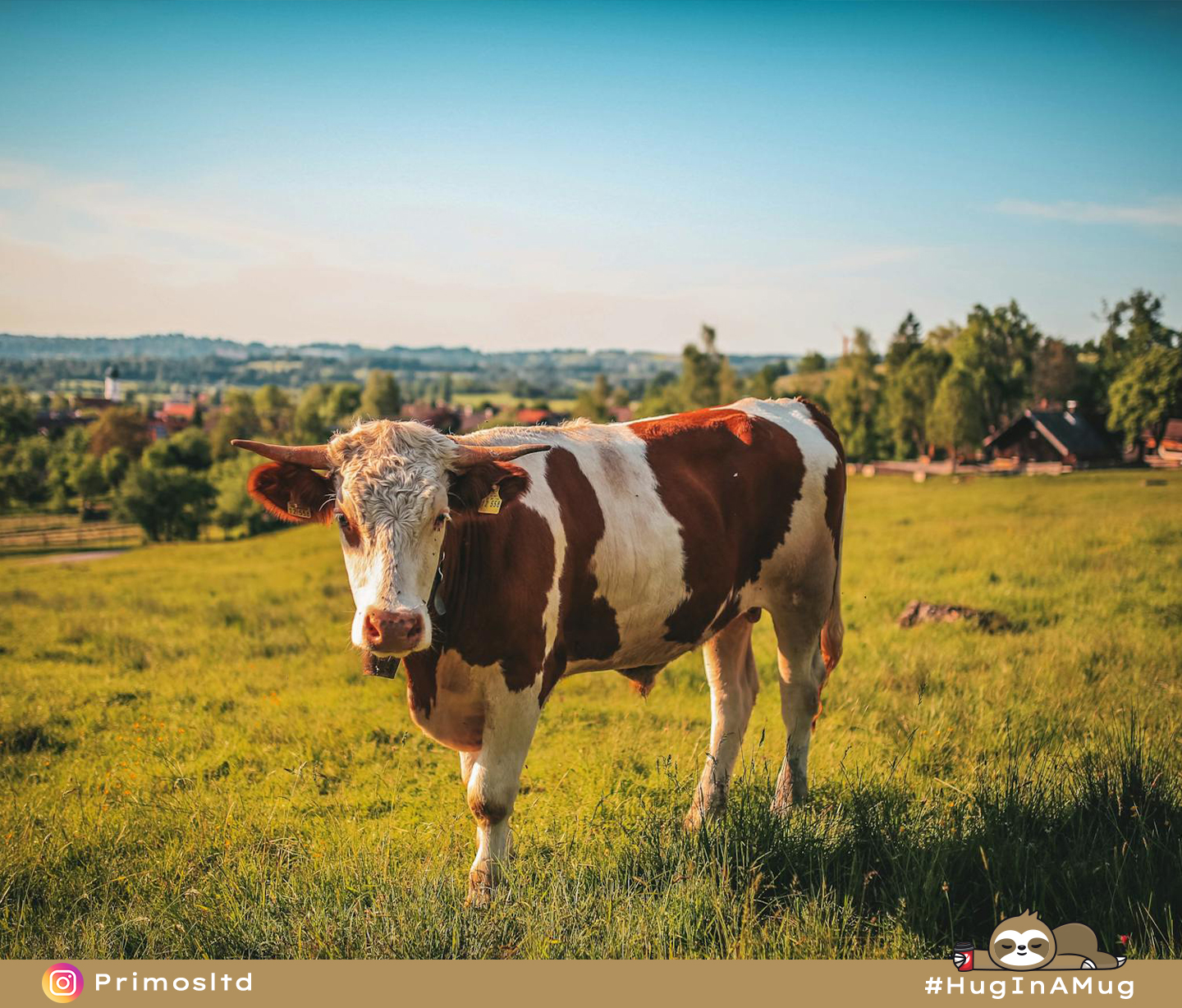
Whole milk has long been the darling of coffee enthusiasts and baristas alike. Its rich fat content, typically around 3-4%, lends a creamy, luxurious texture to coffee, enhancing its body and mouthfeel.
The subtle sweetness of whole milk balances the acidity and bitterness of coffee, making it a preferred choice in lattes and cappuccinos.
Baristas often favour whole milk for its stable frothing qualities, ideal for creating latte art.
The Lighter Choice: Skim and 2% Milk
For those counting calories or preferring a lighter cup, skim and 2% milk offer a compromise. While they lack the full-bodied richness of whole milk, they still provide a decent level of creaminess without overpowering the coffee’s inherent flavours.
The key here is balance – ensuring the coffee’s profile isn’t drowned by milkiness but rather complemented by it.
The Lactose-Free Contender: Lactose-Free Milk
Lactose-free milk brings the dairy experience to those who can’t tolerate lactose. Its composition is similar to regular milk, but the lactose is broken down, making it digestible.
Interestingly, this process slightly alters the taste, often making it sweeter than regular milk. This added sweetness can enhance certain coffee types, adding a new dimension to the coffee-drinking experience.
Plant-Based Alternatives: Soy, Almond, Oat Milk
The rise of plant-based diets has introduced soy, almond, and oat milk into the coffee scene.
- Soy milk, with its relatively neutral taste, pairs well with coffee, though its tendency to curdle can be a challenge.
- Almond milk adds a nutty flavour, suitable for those who enjoy a hint of nuttiness in their coffee.
- Oat milk, with its creamy texture and slight sweetness, has become a barista favourite for both hot and cold coffee drinks.

The Creamy Luxuries: Half-and-Half and Heavy Cream
For a truly indulgent coffee experience, half-and-half and heavy cream are your go-to options. They transform a regular cup of coffee into a rich, decadent delight.
These options are particularly popular in stronger coffee types, where their richness can stand up to intense coffee flavours without getting lost.
Unique Varieties: Goat Milk and Other Exotic Choices
Exploring beyond traditional options, goat milk and other exotic choices like buffalo milk bring unique flavours. Goat milk, with its distinct taste, can add an interesting twist to your coffee, especially if you’re looking to step out of your comfort zone.
Pairing Milk with Coffee Types
The art of pairing milk with different coffee types is akin to a culinary journey. A robust espresso pairs beautifully with the creaminess of whole milk, while a light roast might be better suited to the subtlety of almond milk.
Experimenting with different combinations can lead to delightful discoveries.
Expert Tips for Frothing and Steaming Different Milks
Frothing and steaming milk can be an art form. Different kinds of milk react uniquely when heated and aerated.
For instance, whole milk froths smoothly, creating fine, velvety foam, while almond milk requires more delicate handling to achieve a decent froth.
The key is in the technique and understanding the properties of each milk type.

Choosing the milk for your coffee is like choosing the paint for your canvas – it can transform the ordinary into a masterpiece.
The Future of Milk in Coffee: Trends and Innovations
As we look to the future, the trends in milk and coffee are evolving. From milk derived from nuts and grains to lab-created dairy products, the possibilities are expanding. These inovations promise to continue altering the landscape of our coffee experiences.
Fun Fact:
Conclusion: The Delicate Dance of Milk and Coffee – A Journey of Flavors
Every milk variety offers a unique way to experience coffee, opening doors to new flavours and textures. From the rich, creamy whole milk to the earthy tones of oat milk, your choice of milk can redefine your coffee in exciting ways.
We encourage coffee lovers to experiment with different milk types – who knows, your perfect cup might just be waiting to be discovered!