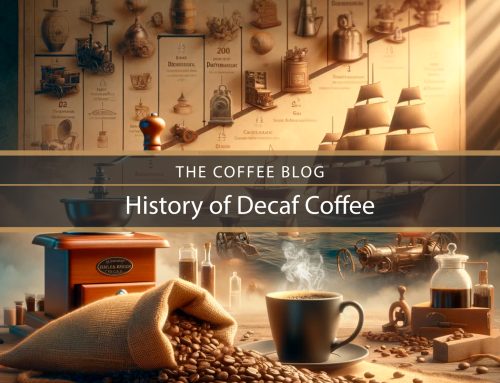
Coffee Production: The Journey from Bean to Cup
Dive deep into the heart of coffee production, a journey as rich and diverse as the flavours of your morning brew. From the mist-covered hills of Ethiopia to the volcanic soils of Colombia, the story of coffee is a global saga of tradition, innovation, and passion.
Let’s embark on an exploration that not only highlights the importance of coffee production but also entices you to appreciate every sip you take.

Topics
-
The Seed of Civilisation: A Brief History
-
The Global Tapestry of Coffee Production
-
The Art and Science of Growing Coffee
-
The Transformation: From Cherry to Bean
-
The Roasting Renaissance
-
The Bigger Picture: Sustainability and Ethics in Coffee Production
-
Engage with Every Sip
The Seed of Civilisation: A Brief History
Coffee, often referred to as the liquid gold of the agriculture sector, has its roots deeply embedded in the rich soils of history.
Legend has it that a goat herder named Kaldi first discovered these magical beans in Ethiopia when he noticed the extraordinary energy his goats exhibited after eating the berries from a particular tree.
This discovery, though shrouded in myth, marks the beginning of coffee production, a process that has evolved significantly over centuries but still retains its magical essence.

The Global Tapestry of Coffee Production
Today, coffee production is a global enterprise, engaging over 25 million farmers in more than 50 countries. The equatorial belt, fondly known as the “Bean Belt,” cradles the world’s coffee-growing regions.
Each region imparts its unique characteristics to the beans, influenced by the altitude, climate, and soil composition. This diversity is what makes your morning cup an endless source of discovery.
The Art and Science of Growing Coffee
Coffee production is an intricate dance of art and science. It begins with the coffee cherry, a fruit that houses the precious coffee beans. The two main species of coffee, Arabica and Robusta, dictate much of the cultivation process.
Arabica, with its delicate flavour profile, prefers the cooler, higher altitudes of Latin America, Eastern Africa, Asia, and Arabia. Robusta, on the other hand, thrives in the harsher climates of Western and Central Africa, Southeast Asia, and Brazil, offering a bolder, more intense flavour.
Farmers play a crucial role in coffee production, tending to their crops with precise care. They must consider factors like shade, altitude, and the timing of the harvest to ensure the highest quality beans. The harvest is often done by hand, a labour-intensive process that reflects the deep connection between the farmers and their land.
The Transformation: From Cherry to Bean
Once harvested, the coffee cherries undergo processing to extract the beans. This can be done in two primary ways: the dry method, a traditional approach used mainly in regions with water scarcity, and the wet method, which involves washing the beans to remove the outer pulp. Each method has its proponents, but both aim to preserve the bean’s inherent qualities.
The beans are then dried, a critical phase where they are carefully monitored to prevent spoilage. After drying, the beans are milled to remove the outer layers, revealing the green coffee beans within. These beans are then graded and sorted, a testament to the meticulous attention to detail that coffee production demands.

The Roasting Renaissance
Roasting is where the magic happens, transforming the green beans into the aromatic coffee that captivates the senses.
The roasting process develops the beans’ flavours, colours, and aromas, a craft that requires both skill and intuition. Roasters must understand the delicate balance of time and temperature, a knowledge often passed down through generations.
The Final Stretch: Brewing and Enjoyment
The journey of coffee production culminates in the brewing process, where water and coffee come together in a harmonious blend.
Here, the consumer plays a pivotal role, with each brewing method – be it espresso, drip, or French press – offering a different perspective on the bean’s journey.
The Bigger Picture: Sustainability and Ethics in Coffee Production
As we delve into the intricacies of coffee production, it’s crucial to acknowledge the challenges facing the industry. Issues such as climate change, fair trade, and sustainability are at the forefront of the conversation.
Consumers are increasingly seeking ethically sourced and sustainably produced coffee, driving a shift towards practices that not only produce high-quality coffee but also ensure the well-being of the environment and the farmers.
Engage with Every Sip
Coffee production is a testament to human ingenuity and nature’s bounty. It’s a journey that spans continents and cultures, culminating in a beverage that awakens, comforts, and inspires.
As you enjoy your next cup of coffee, take a moment to reflect on the journey it has taken from the farm to your cup. Engage with the story, savour the flavour, and appreciate the labour and love that goes into every sip.
“Coffee is the common man’s gold, and like gold, it brings to every person the feeling of luxury and nobility. Where coffee is served, there is grace, friendship, and happiness.” – Sheikh Abd-al-Kadir

Frequently Asked Questions
What makes Arabica coffee different from Robusta?
Arabica and Robusta are the two main species of coffee cultivated worldwide.
Arabica coffee is known for its smooth, complex flavour profiles, often with higher acidity and lower caffeine content than Robusta. It thrives in high altitudes and cooler climates.
Robusta coffee, on the other hand, is more resilient to pests and harsh weather conditions, allowing it to grow in lower altitudes. It has a stronger, more bitter taste with a higher caffeine content, making it popular in blends and instant coffee.
How does the climate affect coffee production?
Climate plays a pivotal role in coffee production. Coffee plants require a specific range of temperature (usually between 15°C and 24°C for Arabica), adequate rainfall, and protection from direct sunlight.
Changes in climate, such as unpredictable rainfall patterns, rising temperatures, and extreme weather events, can significantly impact coffee yields, quality, and even the areas where coffee can be grown. This sensitivity to climate conditions makes coffee production an indicator of climate change impacts.
Why is coffee often grown in mountainous areas?
Coffee is commonly grown in mountainous areas because these regions offer the ideal conditions for coffee plants, including Arabica species, which prefer cooler temperatures and well-drained, fertile soils found at higher altitudes.
The elevation slows the bean’s maturation process, enhancing the development of complex sugars and acids that contribute to the coffee’s flavour profile.
Additionally, the natural shade provided by trees in these areas can protect coffee plants from excessive sunlight, further improving the quality of the coffee produced.
How can consumers support sustainable coffee production?
Consumers can support sustainable coffee production in several ways. One effective method is by purchasing coffee that is certified as organic, fair trade, Rainforest Alliance, or Bird Friendly. These certifications ensure that the coffee is grown using methods that protect the environment and provide fair compensation to farmers.
Additionally, consumers can educate themselves about the origins of their coffee and the practices of the companies they purchase from, choosing those committed to ethical and sustainable practices. Supporting local coffee roasters who source responsibly can also make a significant impact on promoting sustainability in coffee production.
Fun Fact:
Did you know that coffee was once considered a suspicious beverage by European authorities?
In the 16th century, when coffee first made its way to Europe, it faced opposition from the Catholic Church, with some calling it the “bitter invention of Satan” due to its popularity among Muslims.
However, Pope Clement VIII decided to taste the beverage for himself before making a judgment. Upon trying it, he found it so delightful that he declared coffee to be acceptable for Christians, reportedly saying, “This Satan’s drink is so delicious that it would be a pity to let the infidels have exclusive use of it.”
This papal blessing helped coffee spread rapidly across Europe, laying the groundwork for the global coffee culture we enjoy today.
Conclusion
Coffee production, from bean to cup, is a complex and captivating journey that touches millions of lives. It’s a story of tradition, innovation, and resilience. As consumers, we hold the power to influence this journey positively. By choosing ethically sourced and sustainably produced coffee, we support not only the environment but also the hardworking farmers and their communities. This choice elevates our daily coffee ritual into an act of global stewardship and connection.
The world of coffee is vast and varied, offering endless opportunities for exploration and enjoyment. Whether you’re a connoisseur delving into the nuances of single-origin coffees or someone who cherishes the comforting routine of a morning brew, coffee production plays a crucial role in bringing this beloved beverage to your table. It’s a process that deserves our attention and respect.
Engaging with the story of coffee production enriches our understanding and appreciation of coffee. It connects us to the diverse cultures and landscapes from which coffee originates and reminds us of the intricate processes behind each cup. This journey from bean to cup is not just about the transformation of a fruit into a beverage; it’s about the global tapestry of people, places, and practices that make coffee a universal symbol of connection and discovery.
So, the next time you sip your coffee, remember: you’re partaking in a centuries-old tradition that bridges continents and cultures. You’re at the receiving end of a chain of passion, dedication, and expertise that begins with a humble bean and culminates in the rich, aromatic experience that is coffee. Let this knowledge deepen your appreciation for your daily brew, and may it inspire you to make choices that support sustainable and ethical coffee production.
Coffee production is more than just an agricultural process; it’s a global narrative that weaves together the fate of ecosystems, economies, and communities. By engaging with this narrative, we become part of a collective effort to ensure the future of coffee is as rich and rewarding as its past. Let’s cherish and support this journey, for in doing so, we celebrate the essence of coffee and its unparalleled ability to bring people together, one cup at a time.
In the world of coffee production, every bean tells a story. Let’s ensure it’s a story worth telling.
Dive deeper into the world of coffee with our insightful articles on The Coffee Blog.