
Best Time to Drink Coffee: Unveiling the Optimal Moments for Your Caffeine Fix
Welcome, coffee aficionados and curious minds alike! If you’ve stumbled upon this article, chances are you’re on a quest to optimise your daily rituals, starting with the all-important question: What is the best time to drink coffee?
As your guide through the aromatic world of coffee, I’m here to share insights that blend science, tradition, and a dash of wisdom, ensuring every sip of your cherished brew aligns perfectly with your body’s natural rhythms. Let’s embark on this caffeinated journey together, uncovering the secrets to enhancing your energy, focus, and well-being.

Topics
-
Understanding Your Circadian Rhythm
-
Morning: The Golden Hour?
-
The Midday Recharge: Avoiding the Afternoon Slump
-
Late-Day Consumption: A Delicate Balance
-
Tailoring to Your Lifestyle
-
Beyond the Clock: Enhancing Your Coffee Experience
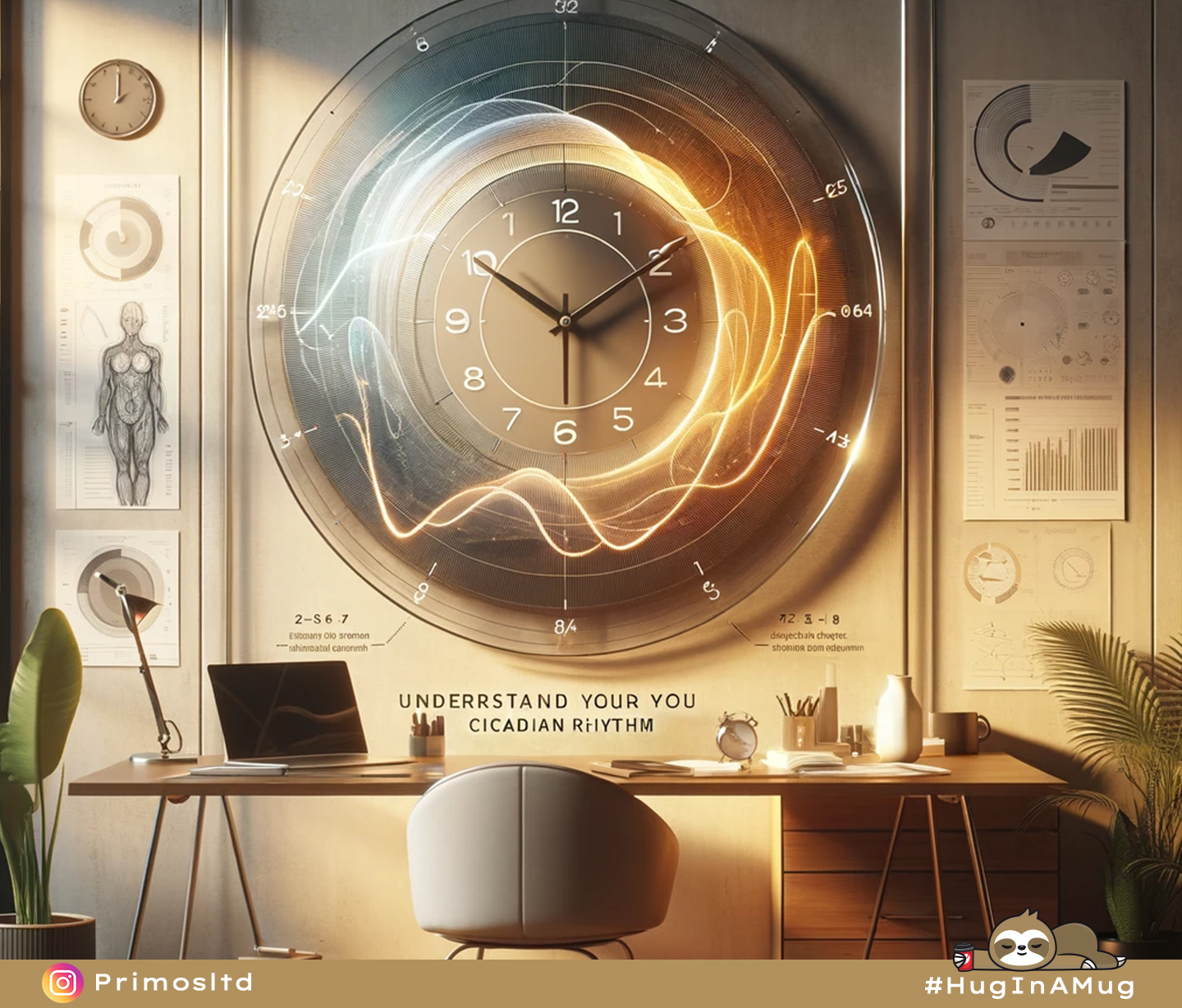
Understanding Your Circadian Rhythm
Before we dive into the swirling depths of your coffee cup, let’s talk about the body’s internal clock or circadian rhythm.
This natural, physiological cycle plays a crucial role in determining our optimal states of alertness and rest.
Why does this matter? Well, timing your coffee consumption to complement this rhythm can amplify the benefits of caffeine while minimising potential downsides, such as restlessness or impaired sleep.
Morning: The Golden Hour?
Many of us are programmed to reach for a steaming mug of coffee first thing in the morning.
However, research suggests that the best time to drink coffee might not be immediately after you wake up. Cortisol, often called the “stress hormone,” is also one of the body’s primary wakefulness hormones, naturally peaking in the early morning (typically between 8 and 9 AM).
New Insights Into the Circadian Rhythm and Its Related Diseases
Drinking coffee when your cortisol levels are high may reduce its efficacy and increase tolerance over time.
Optimal Timing: Waiting an hour or so after you wake up — mid to late morning (around 9:30 to 11:30 AM) — can be the sweet spot. This timing allows you to ride the natural wakefulness wave and then boost your energy levels with caffeine as your cortisol begins to dip.
The Midday Recharge: Avoiding the Afternoon Slump
As the day progresses, many of us experience the infamous afternoon slump. This drop in energy is natural, correlating with another dip in cortisol levels.
It’s tempting to reach for a quick coffee fix, but timing is key to avoid interfering with your night’s sleep.
Optimal Timing: The early afternoon, approximately between 1:00 PM and 3:00 PM, is an ideal window. Enjoying a cup of coffee during this period can provide the uplift you need without disrupting your evening wind-down routine.
Late-Day Consumption: A Delicate Balance
While a late afternoon or evening coffee might seem like the perfect pick-me-up, caffeine’s half-life (the time it takes for your body to eliminate half of the drug) warrants caution.
For most people, caffeine has a half-life of about 5 to 6 hours, meaning that a late-day coffee can significantly impact your ability to fall and stay asleep.
Optimal Timing: If you find yourself in need of a late-day boost, consider limiting your coffee consumption to at least six hours before bedtime. Better yet, explore lower-caffeine options or decaf to enjoy the ritual without restlessness.

Beyond the Clock: Enhancing Your Coffee Experience
While timing your coffee consumption is vital, other elements can elevate your coffee experience:
– Quality Over Quantity: Opt for high-quality, sustainably sourced beans to enjoy not just the caffeine but the rich, complex flavours that coffee offers.
– Mindful Consumption: Treat coffee drinking as a ritual, savouring each sip and appreciating the moment, rather than rushing through it as just another part of your routine.
– Balance and Hydration: Remember, coffee is a diuretic, so balance your intake with plenty of water to stay hydrated throughout the day.
Tailoring to Your Lifestyle
Understanding the general guidelines for the best time to drink coffee can enhance your daily routine, but personalisation is key.
Factors such as individual caffeine sensitivity, lifestyle, and sleep patterns play a significant role in determining your optimal coffee times.
Listen to your body, and adjust your coffee habits to suit your unique rhythm.
“Coffee: not just a drink, but a moment perfectly timed to energise the soul.”

Frequently Asked Questions
Can I drink coffee as soon as I wake up?
While it might be tempting to start your day with a cup of coffee, it’s recommended to wait a bit.
Drinking coffee right after you wake up, especially during your body’s cortisol peak times (typically between 8 and 9 AM), can lessen the effectiveness of caffeine and increase your tolerance over time.
A better approach is to wait until mid to late morning (around 9:30 to 11:30 AM) for your first cup.
Is it okay to drink coffee after 3 PM?
Caffeine’s half-life suggests that late-afternoon or evening coffee consumption can affect your sleep. To avoid this, it’s advisable not to consume coffee at least six hours before bed. If you need a boost late in the day, consider lower-caffeine alternatives or decaf to minimize sleep disruption.
How much coffee is too much?
Moderation is key when it comes to coffee consumption. For most adults, consuming up to 400 milligrams of caffeine per day is considered safe — roughly the amount in four 8-ounce cups of brewed coffee.
However, individual tolerance varies, so listen to your body and adjust accordingly. Overconsumption can lead to restlessness, anxiety, heart palpitations, and may disrupt your sleep cycle.
Does the type of coffee (espresso, drip, etc.) affect the best time to drink it?
The caffeine content can vary significantly between different types of coffee, with espresso generally having more caffeine per ounce than drip coffee.
However, the best time to drink coffee primarily depends on your body’s rhythm and personal schedule, not the coffee type.
Regardless of whether you prefer espresso, drip, or any other type, timing your consumption to align with your body’s natural energy fluctuations is key to maximizing the benefits while minimizing potential drawbacks.
Fun Fact:
Did you know that the world’s most expensive coffee, Kopi Luwak, comes from coffee beans that have been eaten and then excreted by a civet, a small mammal native to Asia and Africa?
What makes this fact even more intriguing in the context of our discussion on the best time to drink coffee is that no matter the price or how the coffee is processed, the optimal time to enjoy any cup of coffee still revolves around your body’s natural circadian rhythms.
So, whether you’re sipping on a luxurious cup of Kopi Luwak or your favourite local blend, timing is everything to get that perfect caffeine kick!
Conclusion
In the quest for the best time to drink coffee, there’s no one-size-fits-all answer, but understanding your body’s natural rhythms and respecting the art of coffee can significantly enhance its role in your life.
By thoughtfully choosing when to enjoy your coffee, you can maximise its benefits, transforming every cup into a rejuvenating, pleasurable experience.
So, experiment with your timing, listen to your body, and find your perfect moment to indulge in the rich, invigorating world of coffee. Here’s to finding your optimal time for a caffeine fix, elevating not just your energy