Excess of Caffeine in the Coffee Beans: Unveiling the Hidden Truths
In the heart of every coffee lover’s daily ritual lies a potent element that’s both a friend and a foe: caffeine. But when does this friend become too intrusive, tipping the balance towards an excess of caffeine in the coffee beans we so cherish?
In this deep dive, we’re not just sipping on our espressos and lattes; we’re unravelling the complex tapestry of caffeine’s presence in our beloved beans and how it affects us, the environment, and the very essence of coffee culture.
Topics
-
The Buzz Behind the Beans: A Caffeine Conundrum
-
Unravelling the Bean: Environmental Impacts and Ethical Echoes
-
The Cultural Caffeine: Shifting Tastes and Traditions
-
A Path Forward: Embracing Balance in Our Brews
The Buzz Behind the Beans: A Caffeine Conundrum
At first glance, caffeine is the undisputed champion of our morning routines, a vital component that kick-starts our day.
Yet, lurking beneath the surface is a nuanced narrative of excess caffeine that might just change the way you view your next cup of coffee.
The Science of Excess: Scientifically, caffeine is a natural stimulant, but the concentration in coffee beans varies wildly not just among species but within crops due to factors like soil composition, altitude, and processing methods.
This variability introduces the first layer of our exploration: the unpredictable journey from bean to brew, leading to the potential excess of caffeine in your daily cup.
Health Horizon: While moderate caffeine intake can be part of a healthy lifestyle, the excess of caffeine in coffee beans poses risks. From disrupted sleep patterns to increased anxiety, the fine line between a beneficial boost and an overwhelming surge is thinner than most realise.
Engaging with the latest research, we’ll unpack how this excess impacts individuals differently, influenced by genetics and lifestyle.
Coffee: The magical bean for liver diseases
Unravelling the Bean: Environmental Impacts and Ethical Echoes
As we delve deeper, the narrative expands beyond personal health, touching the very grounds that nurture these beans. The quest for higher caffeine content has led to agricultural practices that prioritise yield over ecological balance.
Pesticide use, deforestation, and genetic modifications stand out as contentious strategies to boost caffeine levels, each carrying significant environmental footprints.
Sustainability and Caffeine: The relationship between excess caffeine in coffee beans and sustainability is intricate. On one hand, high-caffeine varieties may offer economic benefits to farmers.
On the other, the long-term viability of coffee farming is threatened by the very practices intended to enhance it. Through conversations with experts and on-the-ground reports, we illuminate the delicate dance between cultivation and conservation.
Rainforest Alliance Certified Coffee
The Cultural Caffeine: Shifting Tastes and Traditions
Coffee culture is as rich and diverse as the flavours encapsulated in each bean, yet the emphasis on caffeine content has subtly shifted the landscape.
Speciality coffees, with their nuanced profiles, often get overshadowed by the chase for a stronger kick.
This section explores how the excess of caffeine in coffee beans shapes consumer preferences, influences barista practices, and even impacts the global trade of coffee.
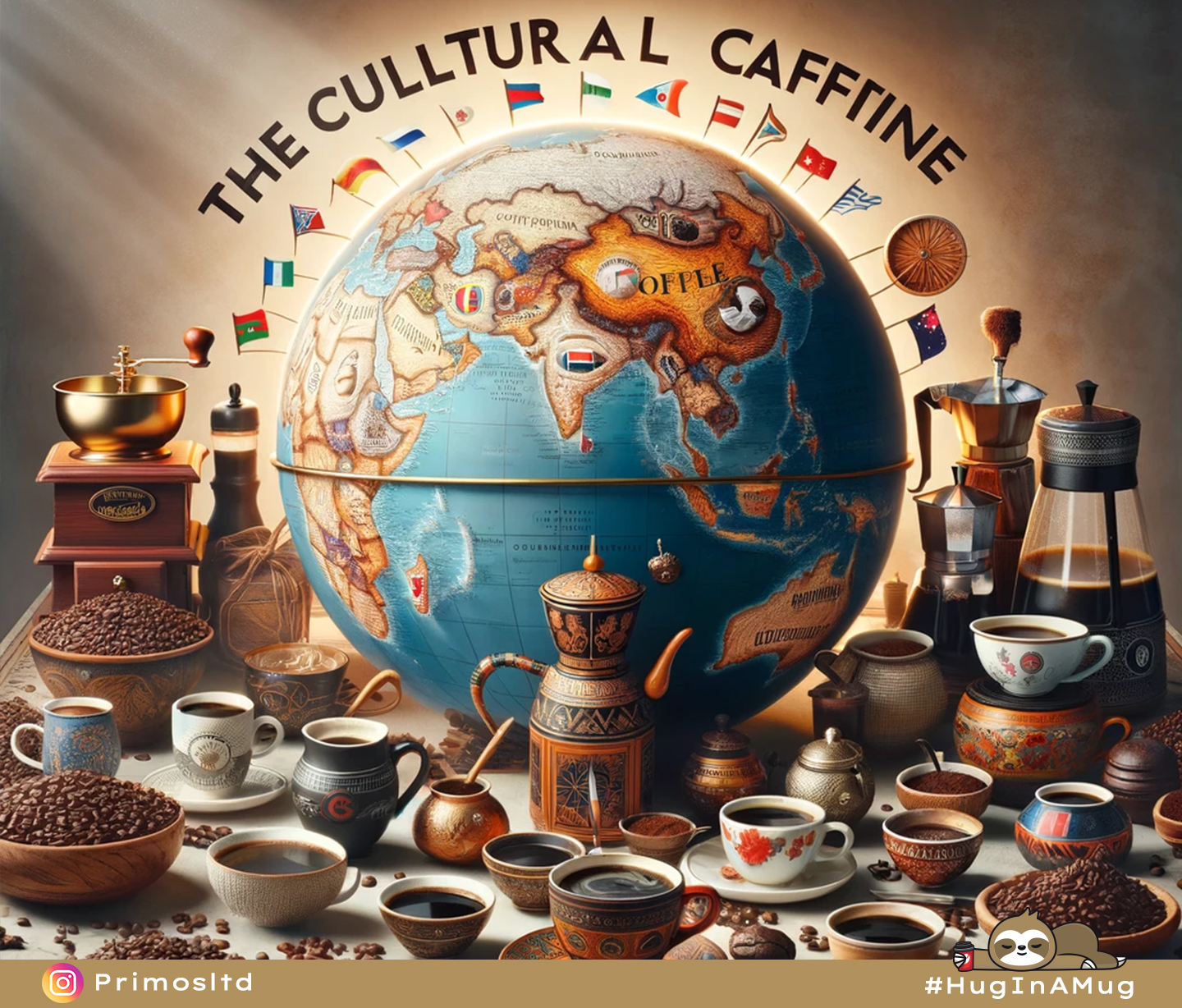
Beyond the Buzz: Engaging with coffee connoisseurs and casual drinkers alike, we uncover a growing movement that seeks balance. There’s a burgeoning appreciation for coffee’s diverse attributes beyond caffeine content, fostering a more holistic approach to brewing and enjoyment.
A Path Forward: Embracing Balance in Our Brews
Navigating the complexities of caffeine content requires more than just adjusting our consumption habits; it calls for a collective shift in perspective.
From supporting sustainable farming practices to valuing quality over sheer strength, the choices we make can contribute to a more balanced coffee ecosystem.
“Coffee isn’t just a drink; it’s a conversation between you and the bean, moderated by caffeine.”
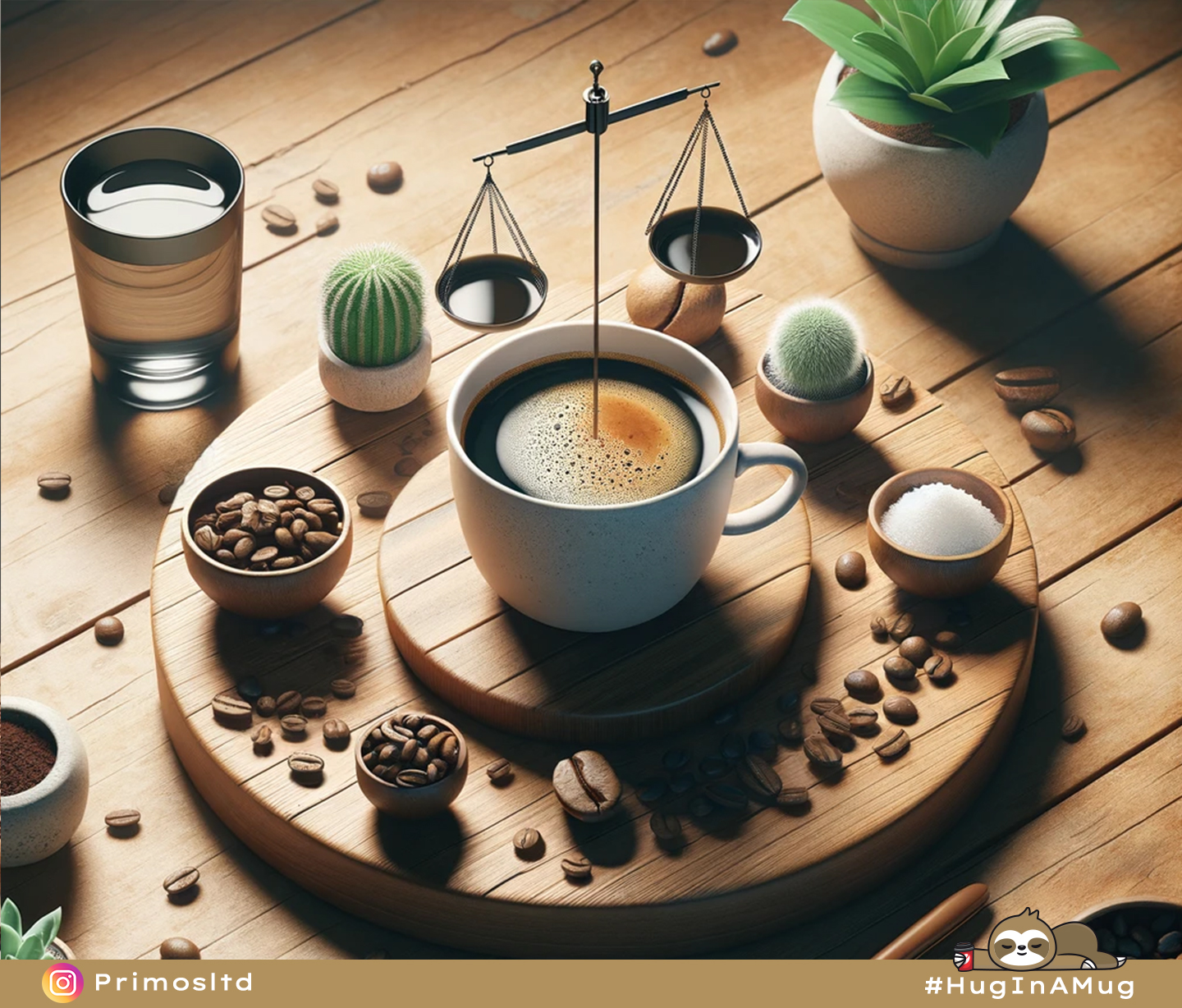
The Role of Innovation: Technological advances and innovative farming techniques present promising avenues to manage caffeine content without compromising on quality or environmental integrity.
Highlighting breakthroughs and pioneering initiatives, we explore how the future of coffee could look with a concerted effort to address the excess of caffeine in the beans.
A Personal Journey: Ultimately, the journey towards understanding and mitigating the excess of caffeine in coffee beans is a personal one.
By fostering awareness and making informed choices, consumers can profoundly impact their health, the environment, and the coffee industry at large.
Frequently Asked Questions
What causes the excess of caffeine in coffee beans?
The caffeine content in coffee beans can vary due to a multitude of factors including the species of the coffee plant, the conditions in which it is grown (soil composition, altitude, climate), and the processing methods after harvesting.
Robusta beans, for example, naturally contain more caffeine than Arabica beans. Agricultural practices aimed at increasing yields can also inadvertently raise caffeine levels in beans.
How does excess caffeine affect my health?
While moderate caffeine consumption can have positive effects such as increased alertness and improved mood, excess caffeine intake can lead to negative health outcomes.
These include insomnia, nervousness, restlessness, stomach irritation, rapid heartbeat, and muscle tremors. The impact varies greatly among individuals due to differences in sensitivity and tolerance to caffeine.
Can I reduce my caffeine intake without giving up coffee?
Absolutely! One approach is to gradually decrease the amount of coffee you consume daily to lower your caffeine intake.
Alternatively, you can switch to low-caffeine coffee varieties or opt for decaffeinated coffee, which retains the flavour of regular coffee but contains minimal caffeine.
Experimenting with brewing methods and times can also affect the caffeine content of your coffee, offering more control over your intake.
What can consumers do to promote a sustainable coffee culture that respects the balance of caffeine content?
Consumers play a pivotal role in shaping the coffee industry through their purchasing decisions. By choosing coffee from brands and farms that prioritise sustainable farming practices, you can help reduce the environmental impact of coffee production.
Look for certifications like Fair Trade, Rainforest Alliance, or Organic, which often indicate more sustainable practices. Additionally, educating oneself about the origins of coffee and the impact of caffeine can foster a more conscious and responsible coffee culture.
Supporting local roasters and cafes that source ethically produced coffee can also make a significant difference in promoting a balanced approach to caffeine content and sustainability.
Fun Fact:
Did you know that the world’s most caffeinated coffee is called “Black Insomnia”? With a staggering caffeine content that significantly exceeds the amount found in a typical cup of coffee, Black Insomnia has been dubbed the strongest coffee in the world.
A single cup can contain about four times the average caffeine level, making it a true testament to the upper limits of caffeine in coffee beans. Just imagine the buzz from that cup—it’s not just coffee, it’s a wake–up call to the senses!
This fun fact highlights the fascinating range of caffeine levels possible in coffee and serves as a reminder of the incredible diversity within the world of coffee beans.
Conclusion
As we reach the end of our exploration, it’s clear that the story of excess caffeine in coffee beans is not one of despair but of opportunity. It invites us to question, learn, and engage with our coffee in more meaningful ways. Whether you’re a casual drinker or a devout aficionado, the power to influence this narrative rests in your hands—and in your cup.
The conversation doesn’t end here. As we continue to delve into the intricate world of coffee, its culture, and its impact, we’re reminded of the importance of balance, sustainability, and a deeper appreciation for the beans that fuel our days. So, the next time you savour that rich aroma and take a sip, think of it not just as a routine but as a choice—a choice that influences not just your health, but the health of our planet and the very essence of coffee culture. Let’s cherish each bean and each brew, recognising the excess of caffeine in the coffee beans not as a mere oversight, but as a crucial part of our collective journey towards a more mindful and sustainable coffee experience.
Embracing this perspective can transform our daily coffee ritual into a powerful act of awareness and change. It challenges us to rethink our habits, to choose quality and sustainability over mere potency, and to support practices that ensure the well-being of our environment, our farmers, and our communities.
In doing so, we enrich our own lives and contribute to a larger, global narrative of balance and health. The story of coffee is evolving, and we have the opportunity to shape its future—one cup at a time. Let’s make it a journey of discovery, responsibility, and enjoyment, where every sip is a step towards a more balanced, ethical, and flavorful world.
As we forge ahead, let the essence of our coffee reflect our values and aspirations. Together, we can redefine what it means to enjoy a cup of coffee, making the excess of caffeine in the coffee beans a pivotal point for positive change. Here’s to a future where every cup tells a story of consciousness, care, and community—a future where the coffee we love does good, tastes good and feels good, all in equal measure.
Dive deeper into the world of coffee with our insightful articles on The Coffee Blog.