Exploring the World of Coffee Flavours: A Journey Through Taste and Aroma
Coffee, a beverage revered by millions, isn’t just a drink – it’s an experience, a ritual, and for many, a necessity. In this article, we dive deep into the world of coffee flavours, uncovering the rich tapestry of tastes and aromas that make each cup a unique journey.
Whether you’re a seasoned coffee aficionado or new to this aromatic world, join us as we explore the diverse profiles of coffee beans.

Topics
-
The Symphony of Flavours in Coffee Beans
-
Decoding the Flavour Notes
-
The Impact of Processing Methods
-
Coffee Brewing: The Final Act
-
Pairing Coffee with Food
-
Sustainability and Ethical Considerations
-
Frequently Asked Questions
The Symphony of Flavours in Coffee Beans
Coffee beans are like musical notes, each with its unique tone, coming together to create a symphony of flavours that dance on your palate. But what influences these flavours?
It’s a combination of factors – the origin of the bean, the climate, the soil, and importantly, the processing and roasting methods.
“Life is too short for bad coffee and missed opportunities to try Ethiopian Yirgacheffe’s fruity notes. Embrace the adventure in every cup!”
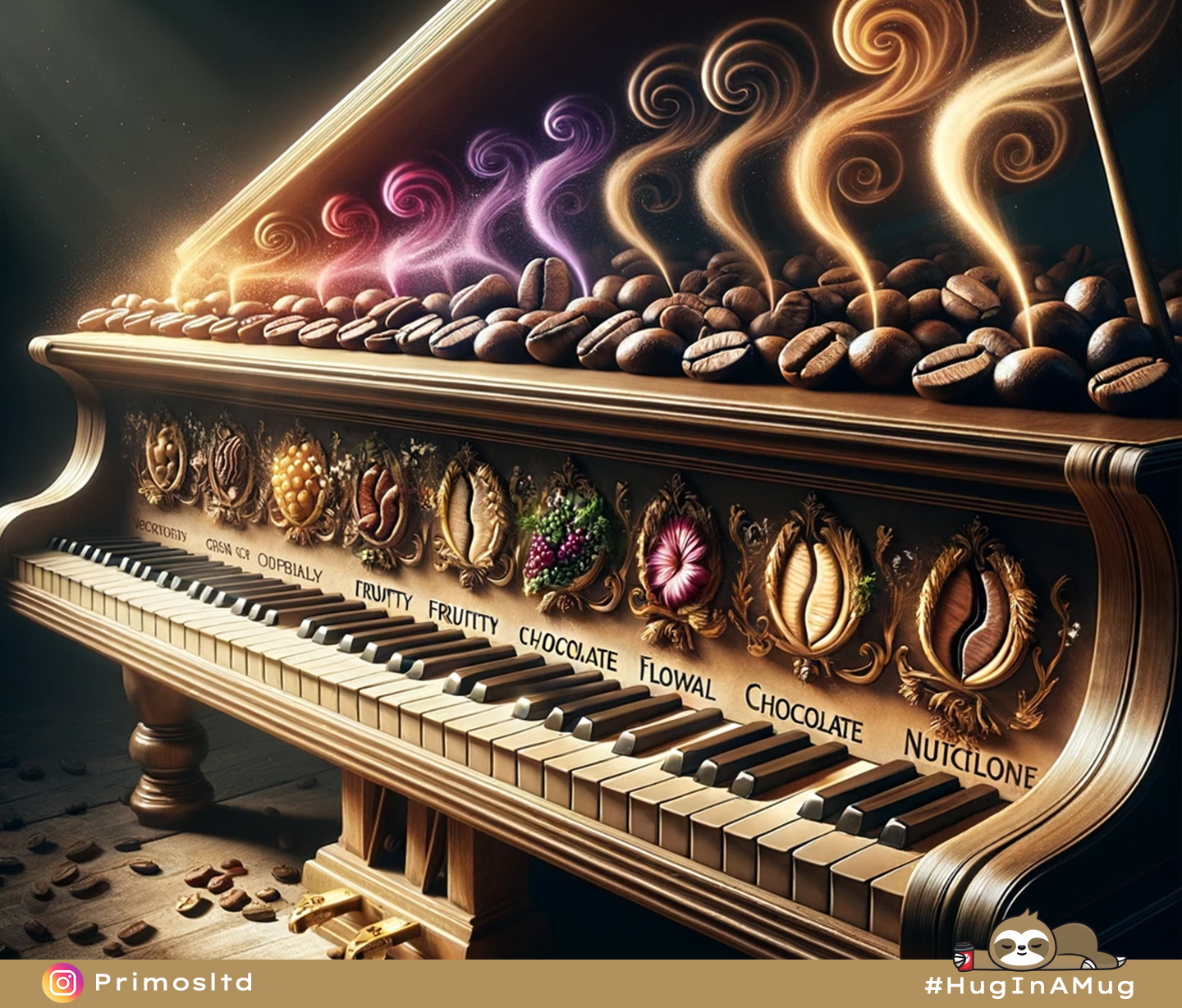
The Geographic Palette: How Origin Influences Flavour
Every coffee-growing region imparts its signature to the beans. For instance, Ethiopian coffees are known for their floral and fruity notes, often with a hint of wine-like acidity.
In contrast, Colombian beans typically offer a balanced taste with a touch of nuttiness and chocolate. Brazilian coffees, on the other hand, are often characterised by a milder, nuttier flavour, often with chocolaty overtones.
The Art of Roasting: Crafting the Flavour Profile
Roasting is where the magic happens. It’s a transformative process that turns green coffee beans into the aromatic, flavourful beans we love. Light roasts retain more of the bean’s original character, often resulting in a brighter acidity and a more pronounced origin flavour.
Medium roasts strike a balance, offering a fuller body with a richer flavour. Dark roasts, with their bold, smoky flavour, often mask the bean’s original notes but bring a robust character of their own.
Decoding the Flavour Notes
Coffee tasting, or cupping, is an art form. It’s about identifying and appreciating the various flavour notes in coffee.
Here’s a breakdown of common flavour profiles:
- Fruity and Floral: These coffees burst with berry, citrus, or tropical fruit notes, often accompanied by floral hints. Think Ethiopian Yirgacheffe or Kenyan AA.
- Sweet and Nutty: A common profile in many Central and South American coffees, these flavours range from caramel and chocolate to almonds and hazelnuts.
- Earthy and Spicy: Indonesian coffees, like Sumatra, often fall into this category, offering deep, earthy flavours with hints of spice.
- Bold and Smoky: Dark roasted beans, such as French or Italian roast, often have a bold, smoky, and sometimes slightly bitter taste.

The Impact of Processing Methods
How coffee beans are processed also plays a crucial role in flavour development. The two primary methods are:
- Washed (or Wet) Processing: This method typically results in a cleaner, brighter cup with more pronounced acidity.
- Natural (or Dry) Processing: This often leads to a sweeter, fuller-bodied coffee with more complex fruit notes.
Coffee Brewing: The Final Act
The way you brew your coffee also influences its flavour.
Espresso, with its concentrated, rich taste, highlights the deep, bold flavours of the beans.
Pour-over methods, like V60 or Chemex, tend to accentuate the nuanced, delicate flavours, especially in lighter roasts.
Pairing Coffee with Food
Pairing coffee with the right food can enhance both the coffee and the culinary experience. For instance, a light, fruity Ethiopian coffee pairs wonderfully with lemon pastries, while a full-bodied Colombian coffee is a match made in heaven with chocolate desserts.
Sustainability and Ethical Considerations
As we explore the world of coffee flavours, it’s crucial to consider the sustainability and ethical practices behind coffee production.
Opting for fair trade and organically grown coffee can make a significant difference in the lives of coffee growers and the environment.
“Remember, every coffee bean has a story, from the bold Italian roast that wakes you up to the mysterious Sumatran blend that keeps you guessing. Listen closely, and you’ll hear the tales of distant lands.”

Frequently Asked Questions
What are the different flavours of coffee?
Coffee flavours are incredibly diverse and can range from fruity and floral to earthy and nutty. Common flavours include:
- Fruity: Berries, citrus, tropical fruits.
- Floral: Jasmine, rose, chamomile.
- Chocolatey: Dark chocolate, milk chocolate, cocoa.
- Nutty: Almonds, hazelnuts, walnuts.
- Spicy: Cinnamon, clove, pepper.
- Caramel: Toffee, butterscotch, honey.
- Earthy: Wood, soil, mushrooms.
- Smoky: Tobacco, burnt sugar, toasted bread.
How many flavours of coffee beans are there?
The number of coffee flavours is practically limitless, as they are influenced by a multitude of factors like origin, variety, processing, and roasting.
Each of these factors can change the flavour profile dramatically.
Professional coffee tasters, such as those working with the Specialty Coffee Association, use a flavour wheel that includes dozens of different potential flavours and aromas.
Which coffee bean has the most flavour?
The “most flavour” is subjective and depends on personal preference.
However, beans from places like Ethiopia and Kenya are often noted for their complex and vibrant flavours, with Ethiopian Yirgacheffe being particularly famous for its rich, fruity, and floral notes.
Meanwhile, beans from regions like Sumatra are known for their deep, earthy, and robust flavours.
What is the best flavour for coffee?
The best flavour for coffee depends on your personal taste. If you enjoy a bright, acidic coffee, you might prefer beans with fruity or floral notes. If you like a smooth, balanced cup, look for beans with chocolate or nutty flavours.
For those who prefer a bold and intense coffee, beans with smoky or spicy notes might be appealing. Experimenting with different beans from various regions is the best way to find your personal favourite.
Fun Fact:
Did you know that coffee is the second most traded commodity in the world, right after oil? This isn’t just a testament to its popularity but also to the rich diversity of flavours and profiles that coffee offers.
From the highlands of Ethiopia to the volcanic soils of Central America, each region adds its unique touch to the coffee, making our morning cup a truly global experience.
Conclusion
The world of coffee is vast and varied, a playground for the senses. Every cup tells a story, a narrative of its origin, processing, and preparation.
Whether you’re savouring a classic espresso or experimenting with a new single-origin brew, remember that each sip is a journey through the rich, diverse world of coffee flavours.
So, as you explore the world of coffee flavours, remember, that every cup is an adventure, a chance to discover something new, something delightful.